 Suomi
 Svenska
Mouse-ear hawkweed
Pilosella
Identify the mouse-ear hawkweed from a photo and log your finds with Florapass.
Coming soon to the App Store and Google Play.
Mouse-ear hawkweed is a group of small, rosette-forming daisies in the genus Pilosella. It is widespread in temperate regions and is often seen in open, sunny places from late spring through summer. The plants are known for their soft, hairy leaves and dandelion-like flower heads, most often yellow but orange in some species.
Did you know?
- Many mouse-ear hawkweed species can produce seeds without fertilization (apomixis), which creates numerous look‑alike forms.
- Within the genus, some species carry several flower heads in a cluster while others usually bear a single head on each stem.
About the species
Identification
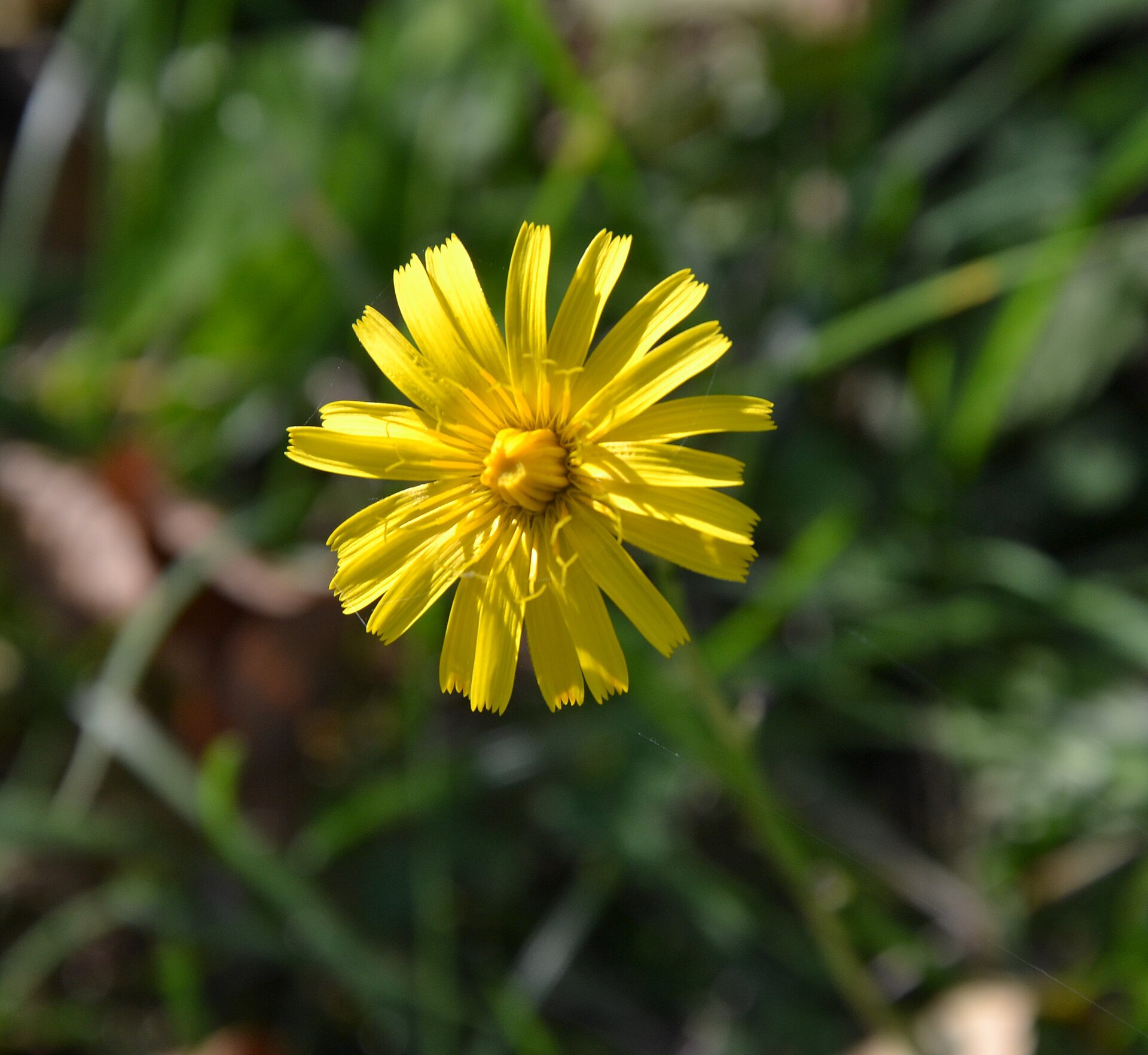
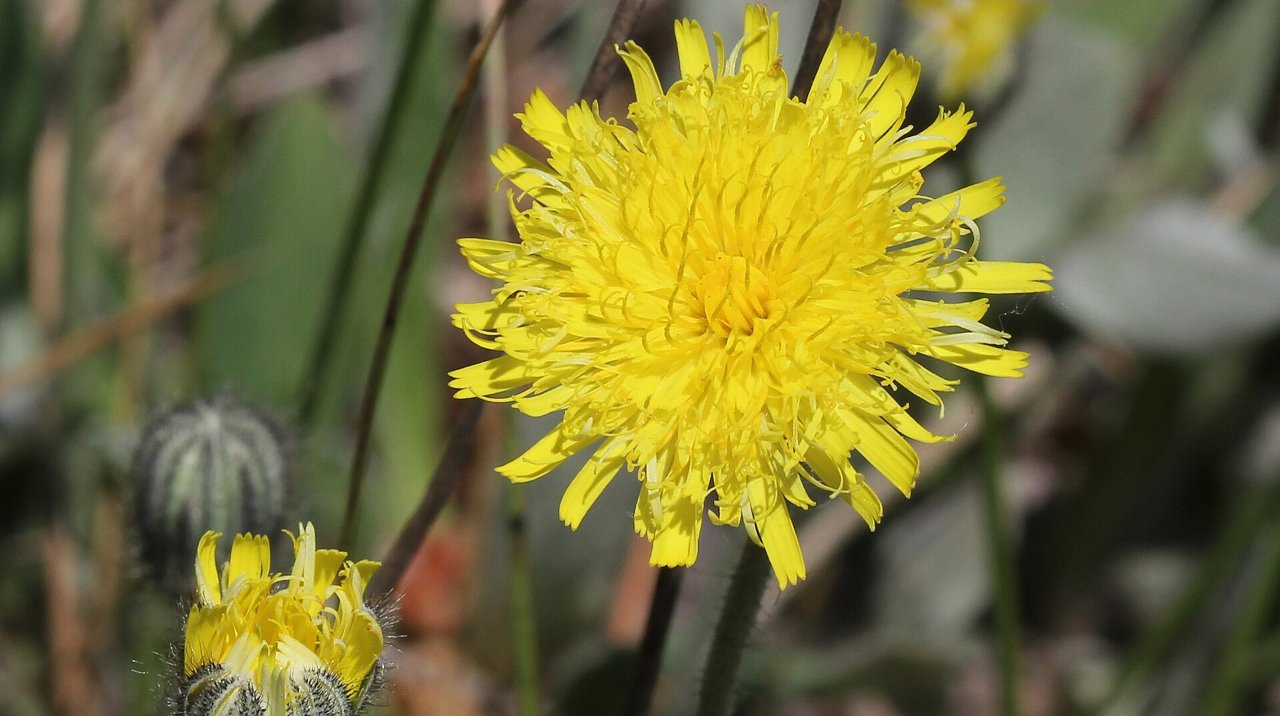
Low perennial herbs forming a basal rosette of oblong to spatula-shaped leaves that are densely hairy (“mouse‑ear” look). Stems are slender, usually leafless or sparsely leafed, and carry one flower head or a small cluster depending on the species. Flower heads are composed of strap-shaped florets, typically bright yellow (occasionally orange in some species); the outer bracts often have dark hairs. Fruits are small achenes topped with a bristly pappus for wind dispersal. Flowers mainly from late spring into summer; the combination of soft, felted leaves and the solitary-or-clustered yellow heads helps separate it from similar hawkweeds.
Plant group
Herbaceous plants
Habitat
rock, heath forest, meadow, yards and roadsides
Flowering
Jun–Aug
About the habitat
Grows in sunny, well-drained, and often nutrient-poor places such as dry meadows, grasslands, heaths, rocky slopes, sandy soils, forest edges, lawns, and roadsides; it readily occupies disturbed ground.
Sources
Photo: George Chernilevsky, Public domain https://commons.wikimedia.org/wiki/File:Hieracium pilosella 2015 G1.jpg
Text: Wikipedia (Finnish), CC BY-SA 4.0 https://fi.wikipedia.org/wiki/Voikeltanot