 Suomi
 Svenska
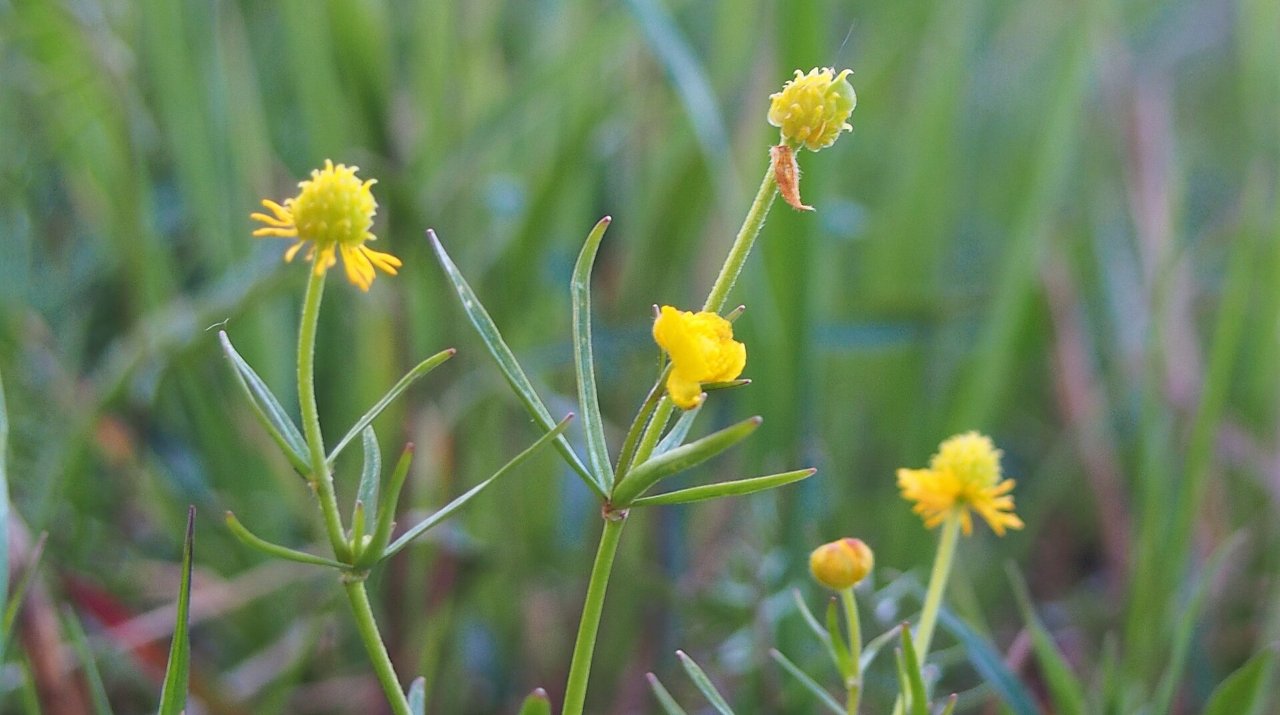
Goldilocks buttercup
Ranunculus auricomus agg.
Identify the goldilocks buttercup from a photo and log your finds with Florapass.
Coming soon to the App Store and Google Play.
Goldilocks buttercup is a diverse complex of perennial buttercups native to Eurasia, with occurrences also reported in parts of Greenland and Alaska. It is most often seen in moist, base‑rich woodlands and along woodland edges, as well as wet meadows and waysides, flowering from spring into early summer. Its bright yellow blooms and variable leaves make it a familiar, if sometimes tricky, woodland buttercup.
Did you know?
- Goldilocks buttercup is a key model group for studying apomixis, polyploidy, and speciation in plants.
- Its leaves can change shape through the season (polyphylly), and some forms have fewer or partly developed petals.
About the species
Identification
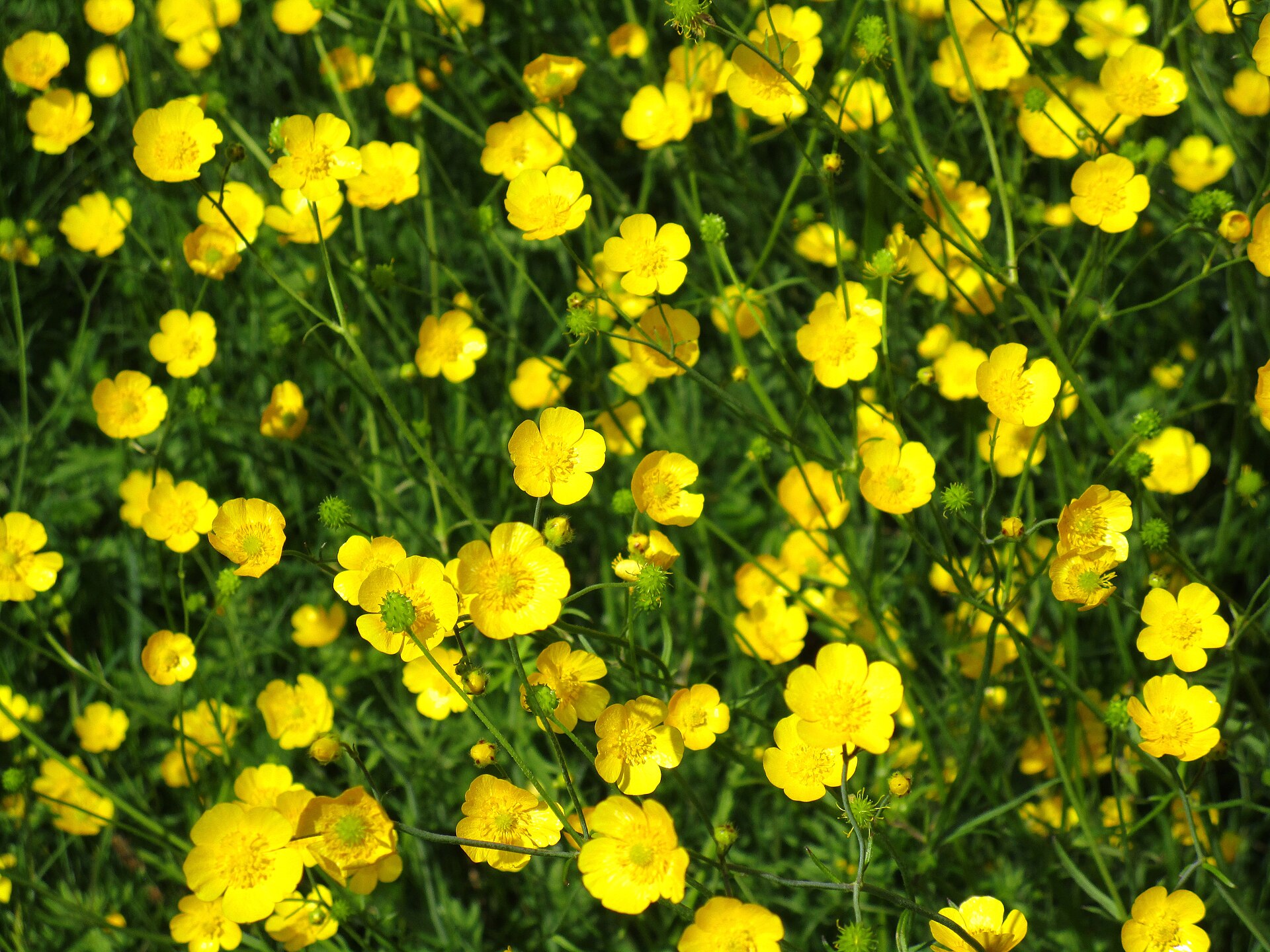
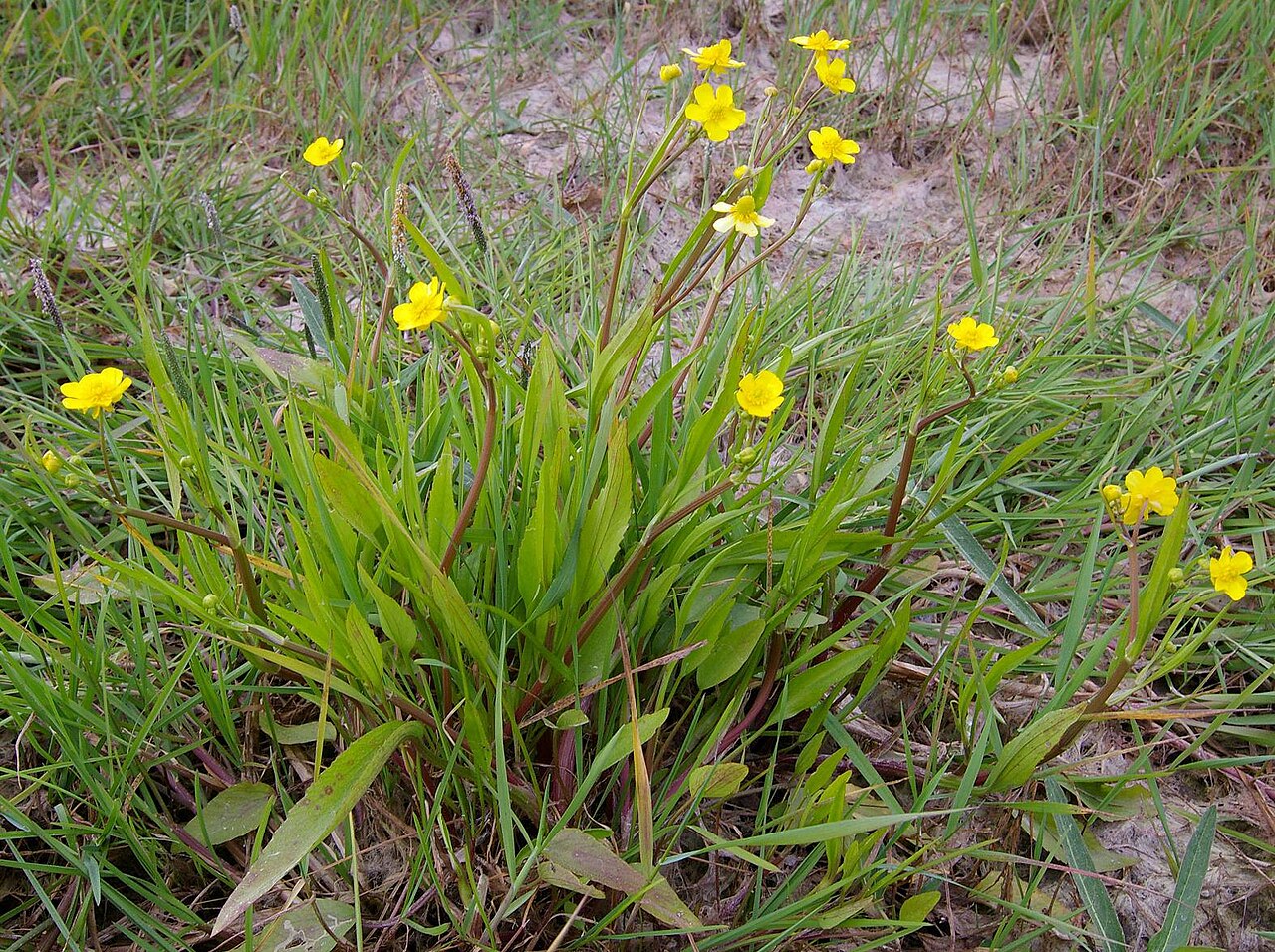
A slightly hairy, perennial herb with bright yellow buttercup-like flowers. Basal leaves range from undivided to palmately lobed and can change shape through the season, while upper stem leaves are deeply divided into narrow segments that give a fine, threadlike look. Flowers are typically five‑petaled but may have fewer or partly developed petals in some forms. Blooms in spring to early summer; identifying individual taxa within this complex can be difficult and often relies on the form of the most dissected basal leaf.
Plant group
Herbaceous plants
Habitat
herb-rich forest, yards and roadsides
Flowering
May–Jun
About the habitat
Found in moist deciduous woodlands on base‑rich soils (such as those over chalk or limestone), at woodland margins, among scrub, along waysides, and in swampy meadows; occasionally in sheltered spots on open ground or ledges.
Sources
Photo: Agnieszka Kwiecień, Nova, CC BY-SA 4.0 https://commons.wikimedia.org/wiki/File:Ranunculus auricomus Jaskier różnolistny 2020-04-30 01.jpg
Text: Wikipedia (English), CC BY-SA 4.0 https://en.wikipedia.org/wiki/Ranunculus_auricomus