 Suomi
 Svenska
Black Bent
Agrostis gigantea
Identify the Black Bent from a photo and log your finds with Florapass.
Coming soon to the App Store and Google Play.
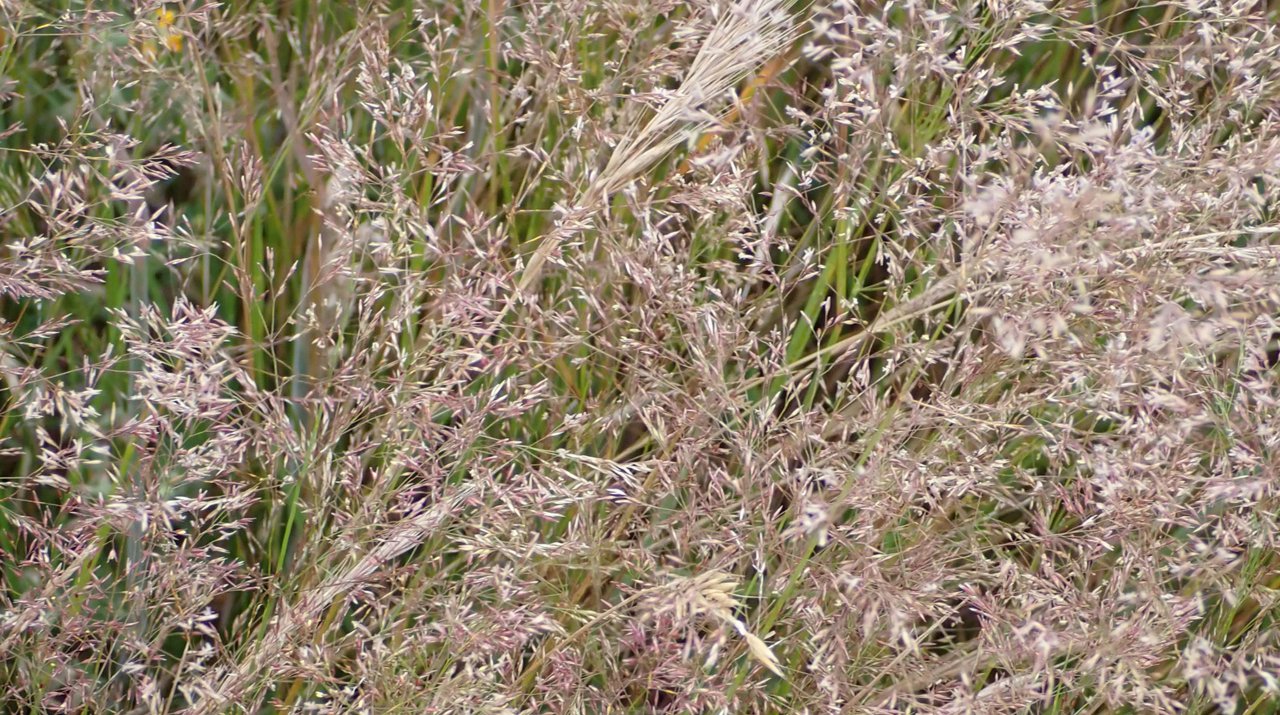
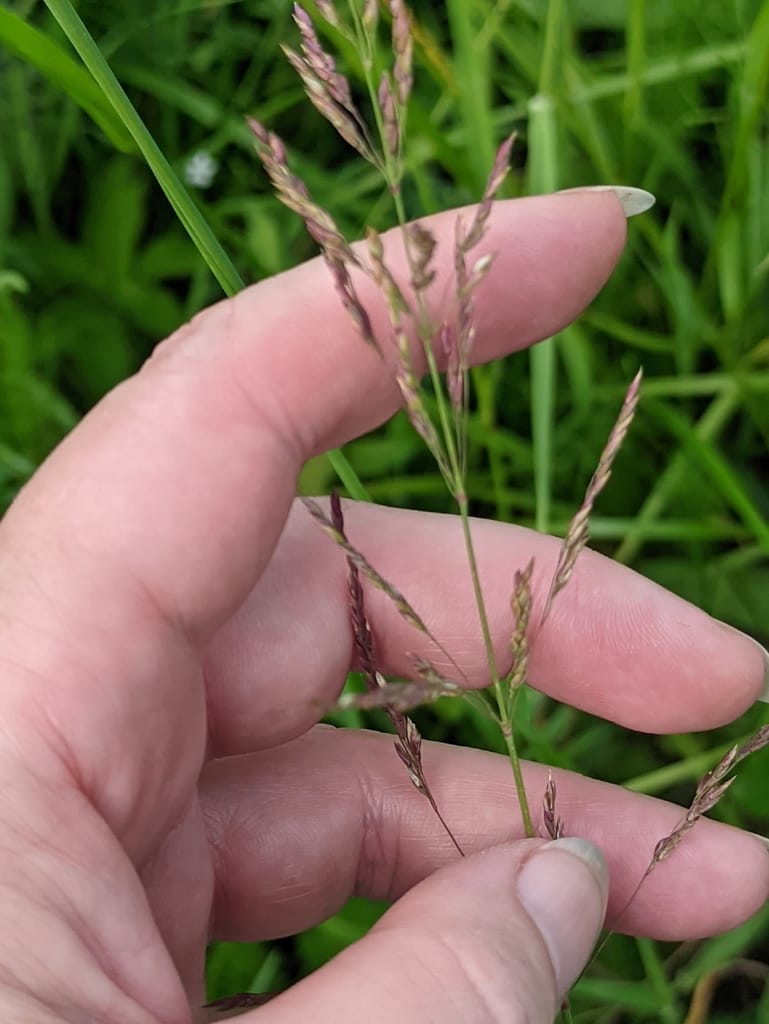
Black Bent is a tall, tuft-forming perennial grass. It is easy to notice by its loose, airy flower head that can look green to purplish. You can see it in many open, nutrient-rich places such as shores, fields, lawns and roadsides.
Did you know?
- It has three forms adapted to different habitats: lakeshores, seashores and the typical weedy form.
- It often hybridises with other bentgrasses.
About the species
Identification
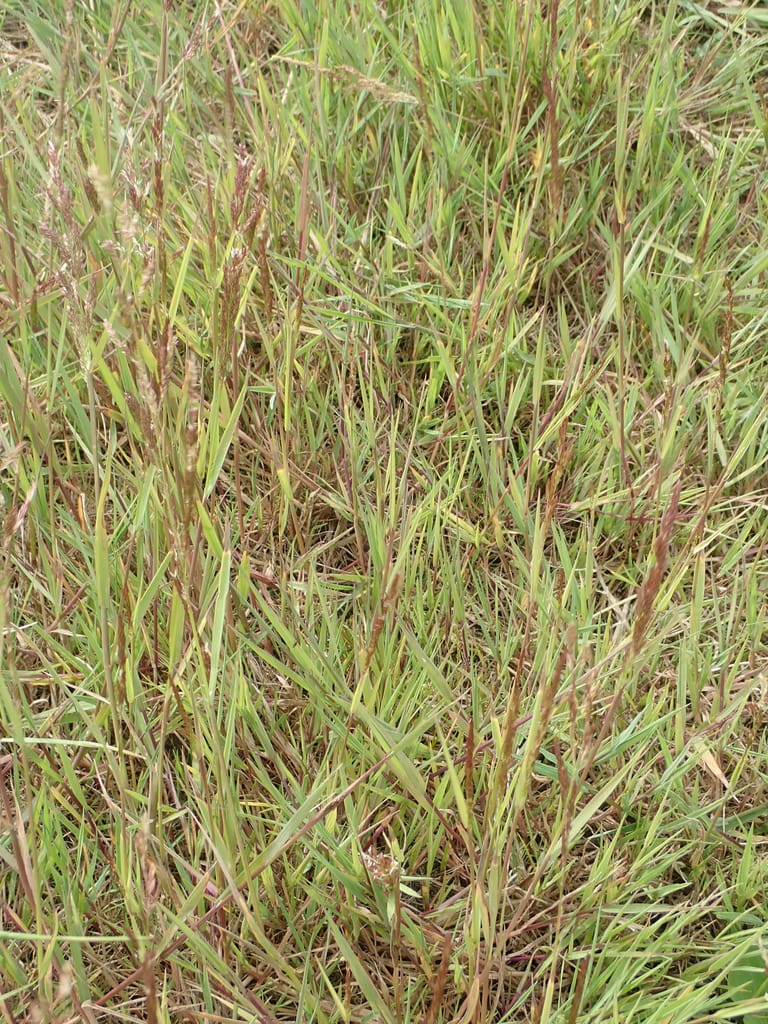
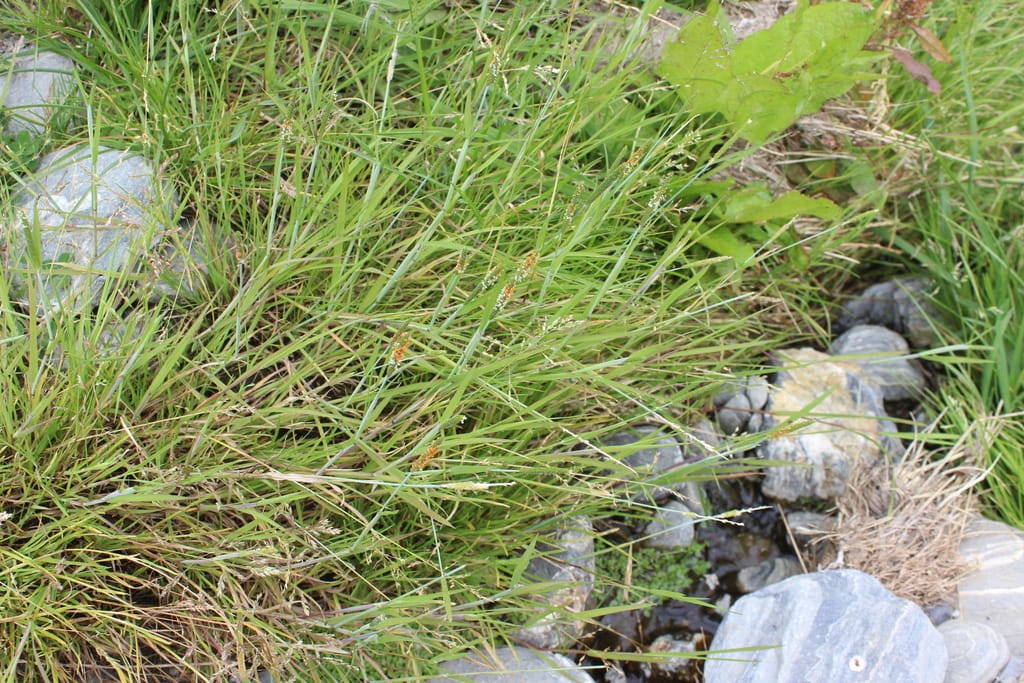
Tuft-forming perennial grass, 30–100 cm. Upright, hollow stems; spreads by underground runners but has no above-ground runners. Leaves flat, narrow (3–12 mm), dull green, shorter than the stems; a small pale flap where the leaf meets the stem is 2–5 mm and blunt. Flower head 4–40 cm, loose and many-branched, green to purplish; branches spread outward and feel rough. Grains follow. Tell it from Creeping Bent by the lack of surface runners and a more tufted look; from Common Bent by broader leaves and the big, outward-spreading, layered flower head. Flowers in July–August in Finland.
Plant group
Grasses, sedges and rushes
Habitat
meadow
Flowering
Jul–Aug
About the habitat
Grows in nutrient-rich, open places: shores of lakes and rivers, seashores, meadows and lawns, fields and fallows, waste ground, roadsides, rail embankments and ditches. Found throughout Finland; more common in the south and scarcer in the north; favors nutrient-rich sites.
Sources
Photo: Марина Давлетшина, CC BY 4.0 https://www.gbif.org/occurrence/6422524542
Text: Pinkka: IPS-153 Flora of Subarctic Europe - Actaea-Carduus, CC BY 4.0 https://laji.fi/taxon/MX.40596
Text: Pinkka: A Pohjolan kasveja - Abies-Allium, CC BY 4.0 https://laji.fi/taxon/MX.40596
Text: Pinkka: Kasvitieteen retkeily Lammille - Ormajärven ympäristö, Lammin kirkonkylä, CC BY 4.0 https://laji.fi/taxon/MX.40596
Text: Wikipedia (Finnish), CC BY-SA 4.0 https://fi.wikipedia.org/wiki/Isor%C3%B6lli